Are Barcode Scanners Still Worth It for Modern Retail?
In an era dominated by automation, mobile apps, and AI-driven systems, many business owners are questioning whether investing in a barcode scanner is still relevant. With smartphones doubling as scanning tools and cloud-based systems reshaping retail operations, it’s a fair question: are traditional barcode scanners still worth it?
The short answer is yes—but with important nuances. Let’s explore why barcode scanners continue to hold value, where they excel, and when alternatives might make sense.
Why Barcode Scanners Still Matter
Despite rapid technological change, the barcode scanner machine remains one of the most reliable tools for data capture. Unlike manual entry, which is prone to human error, scanners ensure speed and accuracy in every transaction.
In retail environments, POS barcode scanners significantly reduce checkout time, helping businesses serve more customers efficiently. Even with newer technologies emerging, the simplicity and reliability of a barcode reader make it a staple across industries.
Types of Barcode Scanners in Today’s Market
If you’re exploring barcode scanners for sale, you’ll notice that modern devices have evolved significantly.
Traditional vs Advanced Scanners
- A 1D barcode scanner is still widely used for basic retail operations.
- A 2D barcode scanner supports QR codes, making it ideal for digital payments and marketing campaigns.
With the growing use of QR codes, having a qr code scanner or qr scanner is becoming increasingly important for businesses.
Mobility and Flexibility
- Handheld barcode scanners remain popular due to their ease of use.
- A handheld scanner is perfect for environments where items need to be scanned on shelves or in storage.
Wireless Innovation
- Wireless barcode scanners offer greater flexibility in busy or large spaces.
- A wireless scanner helps reduce cable clutter and improves workflow efficiency.
Laser vs Imaging
- A Laser Scanner is effective for reading standard barcodes quickly.
- Imaging-based scanners, often found among the best barcode scanners, provide better versatility and can read damaged codes.
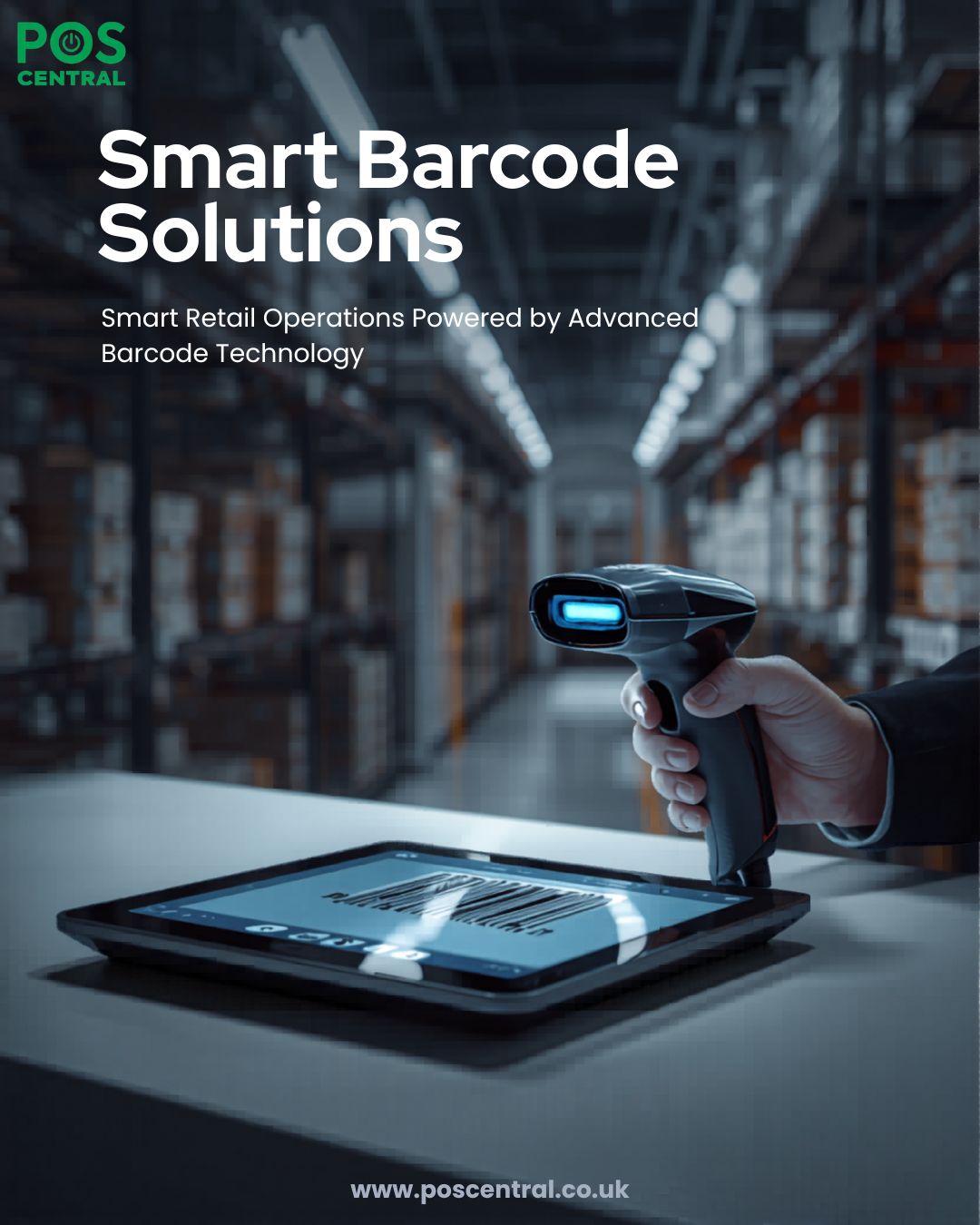
When Barcode Scanners Are the Best Choice
Even in a tech-driven world, barcode scanners outperform alternatives in several scenarios.
High-Volume Retail
In supermarkets and busy stores, speed is critical. POS barcode scanners can process transactions faster than mobile apps, reducing queues and improving customer satisfaction.
Warehousing and Inventory Management
A barcode scanner machine ensures accurate tracking of goods, from arrival to dispatch. Wireless barcode scanners are especially useful in large warehouses where mobility is key.
Accuracy-Critical Environments
In sectors like healthcare and logistics, even small errors can have serious consequences. A dedicated barcode reader offers precision that general-purpose devices often can’t match.
When Alternatives Might Work
While barcode scanners are highly effective, there are cases where alternatives can be considered.
Small Businesses and Startups
For businesses with low transaction volumes, a smartphone-based qr scanner might be sufficient initially.
Mobile-First Operations
Businesses that rely heavily on mobile workflows may prefer app-based scanning solutions over dedicated hardware.
However, these alternatives often lack the speed, durability, and reliability of professional-grade barcode scanners, especially as operations scale.
How to Choose the Right Barcode Scanner Today
If you’re planning to buy barcode scanners, consider how your business operates now—and how it might grow.
Match the Scanner to Your Needs
- Use a 1D barcode scanner for basic retail
- Opt for a 2D barcode scanner for flexibility and future-proofing
Consider Your Environment
- Retail counters benefit from compact, wired models
- Warehouses require durable handheld barcode scanners
Think About Connectivity
A wireless scanner is ideal for mobility, while wired scanners offer consistent performance in fixed setups.
Focus on Long-Term Value
When comparing barcode scanners for sale, don’t just look at price. The best barcode scanners offer reliability, speed, and durability that pay off over time.
Maintenance Still Matters
Even the most advanced barcode scanner machine requires proper care to perform at its best.
- Clean the scanning lens regularly
- Avoid drops and rough handling
- Keep software updated
- Check batteries and connections
A well-maintained barcode reader can last for years, making it a cost-effective investment.
The Future: Evolution, Not Replacement
Rather than becoming obsolete, barcode scanners are evolving alongside new technologies.
Smarter Devices
Modern scanners use advanced imaging and AI to improve accuracy, even with damaged codes.
Integration with Cloud Systems
POS barcode scanners now connect seamlessly with cloud platforms, enabling real-time data access.
Rise of QR Technology
The growing use of QR codes has increased demand for 2D barcode scanner devices across industries.
Enhanced Wireless Capabilities
Future wireless barcode scanners will offer better battery life, faster connections, and greater range.
Conclusion
So, are barcode scanners still worth it? Absolutely—but choosing the right type matters more than ever.
While smartphones and apps offer convenience, they rarely match the speed, accuracy, and durability of a dedicated barcode scanner. For businesses that value efficiency and reliability, barcode scanners remain a smart investment.
As technology continues to evolve, these devices are not being replaced—they’re being refined. Whether you’re running a small shop or a large warehouse, the right barcode scanner can still play a crucial role in your success.
Read more:
